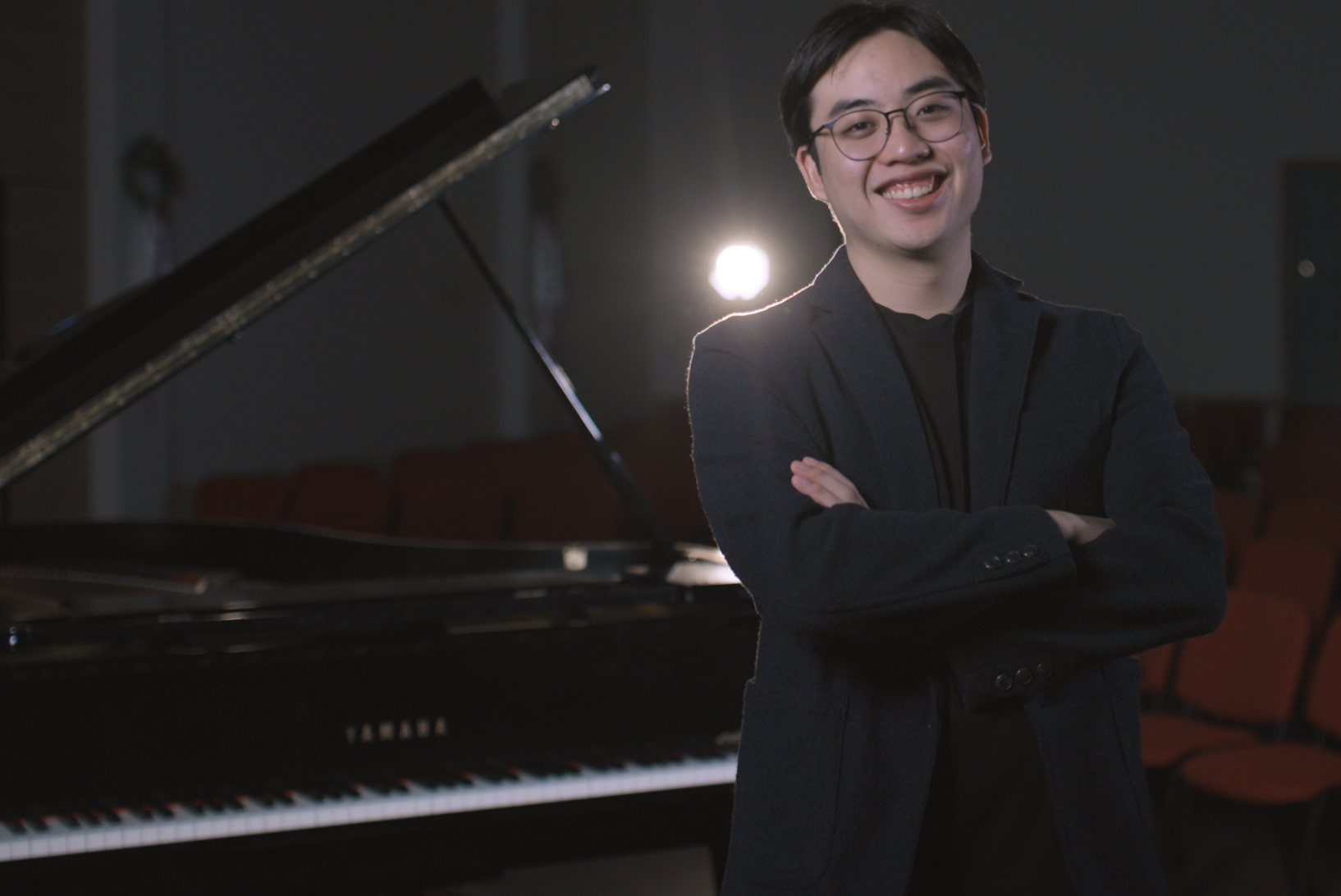
Concert review: Horizon Classical/ Rapture and Ruin/ Glinka, Tchaikovsky and Rachmaninoff Piano Concerto no. 2
Verbrugghen Hall Sydney Conservatorium of Music
Friday July 24th 2026
by Victoria Watson
In a boldly ambitious second public concert for Horizon Orchestral Studio led by emerging conductor Hans Sangtoki, impressively large orchestral forces gathered to navigate five decades of Russian Romantic music.
Glinka’s Overture to his opera Ruslan and Lyudmilla (1842) is an exuberant and explosive work that well established the “rapture” of the concert’s programmatic title. Sangtoki kept good control of his forces by eschewing a prestissimo tempo sometimes heard in performances of this showstopping work. The steadier tempo allowed the music to balance speed and accuracy and build effectively towards the climactic stringendo of the final bars. The strings achieved energetic clarity in the cascading runs and the wind punctuated with stentorian contrast and pomp.
Tchaikovsky’s Romeo and Juliet Fantasy Overture (1880- third revision) was initiated with the encouragement of his composer colleague Balikirev, and after two major revisions was first performed in 1887 just six years before the composer’s tragically early death. This is orchestral music that has an operatic quality reminiscent of the intense emotional world of his great opera Yevgeny Onyegin. Sangtoki relished exploring the landscape of this work from the spitfire rhythms of the fight scenes to the achingly beautiful central love melody, one of the most memorable in western music. The orchestra responded with rich expressive sonorities and committed focus. There were some especially beautiful solos from the cor anglais and clarinet.
The detailed and articulate programme notes reflect on the emotional journey and extremes of expression Tchaikovsky takes the orchestra though, exploring the themes from Shakespeare’s drama.
“Tchaikovsky leaves us not with triumph, but with a kind of transfigured grief, a beauty made more intense by its fragility”
After interval, the Steinway took centre stage and soloist Calvin Abdiel joined forces with the orchestra for Rachmaninoff’s second piano concerto. In the opening movement and true to the composer’s intentions, the piano and orchestra move as a single entity alternating accompanying or leading figures with the piano remaining an integral partner rather than the central focus as might be expected in a more conventional concerto. The slow second movement allowed Abdiel to explore nuanced tone colours and dynamics expressively with an introspective nocturnal mood. The contrast in the more animated sections was conveyed effectively. The balance between orchestra and soloist was very well established by Sangtoki as was a tight rhythmic ensemble. The final Allegro scherzando arrives as a restorative burst of energy and vigour. The piano emerges more prominently after the memorable second theme is announced on oboes and violas. Here, Abdiel captivated the audience with his display of technical mastery and emotional zeal.
Abdiel returned to the stage to perform an encore solo piano work by Franz Liszt. The monumental power and scale of his technique was given full release ending a fine concert on a triumphant and virtuosic climax.
Horizon Classical, founded and developed by conductor Hans Sangtoki, is rapidly gaining momentum, and there was a large enthusiastic audience in attendance with many younger people and other musicians present. This exciting new venture is building a dedicated following and rewarding them with inspiring musicmaking. Their aims of offering developing conductors and orchestral players new opportunities to perform major repertoire and introduce new audience to major classical works are to be commended and supported.
A graduate of Melbourne university and VCA, Victoria appeared regularly as a soprano with the Victoria State Opera and has toured and served as artistic director of many chamber ensembles. She has performed with Sydney Symphony Orchestra and for ten years, was artistic director of a major opera education project with Opera Australia. Since 2015 she has moved into directing opera including Mozart’s Cosi Fan Tutte at the Independent theatre.
Victoria has lectured in voice at the major universities in Melbourne, and is currently a tutor at UNSW. Having taught at major Sydney secondary colleges, she now runs a busy private singing studio. She is a published author on opera and a popular freelance music and theatre lecturer and advocate for Australian artists around the world.